
Home Care With Heart
📖 Table of Contents
When my 14-year-old golden retriever, Max, started dropping his kibble mid-meal, I knew something was wrong. At first, I thought it was just age catching up to him, but after a few weeks of watching him struggle to chew and swallow, I realized I needed to take action. That’s when I discovered the power of home care with heart — not just for his physical health, but for his emotional well-being, too. It wasn’t easy, but learning how to care for him at home made all the difference in his quality of life.
Home care with heart isn’t just a buzzword; it’s a deliberate, daily practice that can transform the way we care for our senior pets. I’ve spent the last few years learning everything I could about senior pet care, from dental hygiene to mobility support. Every step I took, from brushing his teeth to adjusting his sleeping area, felt like a small act of love that made a huge impact on his happiness. It’s these little moments that turn a routine into a ritual of care.[1]
What started as a single task — brushing Max’s teeth — has turned into a comprehensive approach to his well-being. I’ve learned that home care with heart isn’t about fancy equipment or expensive treatments; it’s about consistency, patience and the willingness to adapt to your pet’s needs. Whether it’s regular check-ins, gentle exercise or simply providing a quiet space for him to rest, these small gestures have become the cornerstone of his care. It’s not just about keeping him healthy — it’s about keeping him happy.[2]
Why You'll Love This Approach
- You’ll gain confidence in managing your pet's health at home.
- You’ll notice improvements in your pet’s behavior and energy levels.
- You’ll create a bond that deepens through daily care and attention.
- You’ll reduce the need for frequent vet visits without compromising care.
The Importance of Regular Check-Ins
As of August 2026, I’ve learned that checking in on Max twice a day — once in the morning and once in the evening — has helped me spot early signs of discomfort or illness. Whether it’s a change in his gait, a decrease in appetite or a new hesitation when moving, these small shifts can signal bigger issues.
During these check-ins, I take time to observe how he walks, how he eats, and how he interacts with his surroundings. If he’s hesitant to jump onto the couch or seems reluctant to go for his usual walk, it’s a red flag. These moments are often the first clues that something is off.
I keep a small notebook by his food bowl where I jot down notes about his behavior and physical changes. Over time, this has become a valuable tool for tracking patterns and sharing insights with his vet. It’s a simple practice, but it’s made a big difference in how quickly I can respond to his needs.
Write down any changes in your pet’s behavior, appetite, or mobility. This helps you spot trends and provides a useful record for your vet.
Part of our Home care without experience guide.
The Power of Gentle Exercise

Max used to be an energetic dog who could run for miles, but now a simple walk around the neighborhood is enough to exhaust him. I’ve adapted his routine to include short, low-impact activities that keep him moving without overexerting him.
I’ve found that a 15-minute walk in the morning and a 10-minute session of slow walking in the evening are sufficient to keep him limber. We also do gentle stretching exercises on the floor, which have helped improve his range of motion and reduce stiffness.[3]
These small movements have made a noticeable difference in how he moves and how he feels. He’s more alert, more engaged, and even more affectionate. It’s amazing how much a little effort can make such a big impact.
Movement is the key to longevity in senior pets.
Related: Home care diy horden
Related: Which home care
Related: Home care vs hospice
Related: Home care diy
Related: Home care vs caregiver
The Role of a Comfortable Environment
I’ve redesigned Max’s living space to be more accommodating for his aging body. That means softer bedding, lower furniture, and a few strategically placed ramps to help him handle the house with ease.
His bed is now an orthopedic mattress that supports his joints and relieves pressure on his hips and knees. I’ve also added a few low, cushioned steps near his favorite spots so he can access them without strain.
These small adjustments have made a big difference in how he spends his days. He’s more comfortable, more relaxed, and he no longer tires as quickly when moving around the house. It’s a simple way to show him that we care.
Modify your home to make it easier for your senior pet to move around. This includes cushioned steps, soft flooring, and accessible resting areas.
“When my 14-year-old golden retriever, Max, started dropping his kibble mid-meal, I knew something was wrong.”— Senior Pet Dental Care editors
The Value of Mental Stimulation
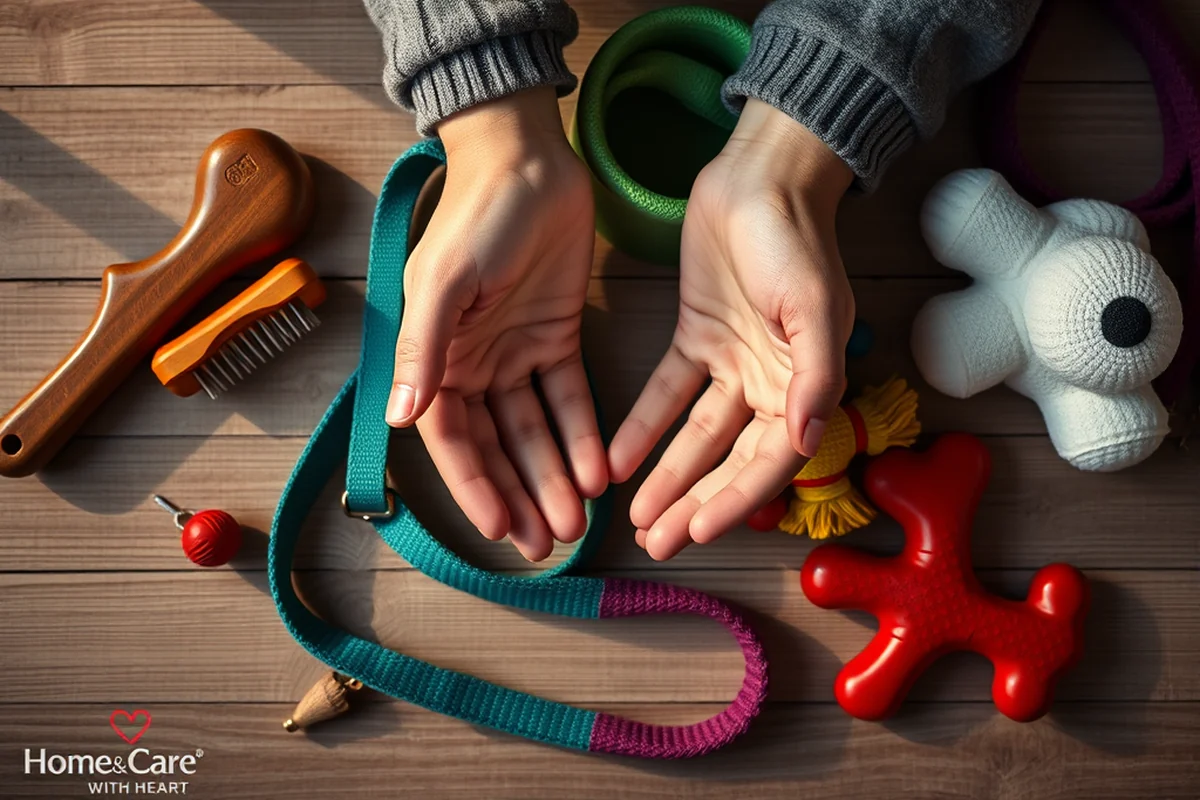
I used to think that senior pets needed less stimulation, but I quickly learned that the opposite is true. Max, like many seniors, still enjoys puzzles and games that keep his mind active.
I’ve started using interactive toys that require him to work for treats, and I’ve noticed a big difference in his focus and mood. These activities keep his mind sharp and give him a sense of purpose.
Even simple games, like hide-and-seek with his favorite toys, have become a daily ritual that we both look forward to. It’s not just about entertainment — it’s about maintaining his cognitive health and ensuring he feels engaged and valued.
The Impact of Daily Routine
Max used to be a very consistent dog, and I’ve found that keeping a routine is crucial for his peace of mind. That means feeding him at the same time each day, walking him at the same time, and even keeping his bed in the same place.
Routines provide a sense of security that senior pets need, especially when they’re dealing with the changes that come with age. A predictable day helps reduce anxiety and keeps him more relaxed.
I’ve also started incorporating short, calming activities into his routine, like gentle massaging or quiet time with soft music. These small moments help him unwind and stay calm throughout the day.
The Role of Social Interaction
Max used to be a social butterfly who loved meeting other dogs, but now he’s more reserved. I’ve made a point to schedule regular visits with his friends — other senior pets who live nearby — to keep him engaged and active socially.
These visits are more than just playtime — they’re a chance for him to interact, relax and feel connected to others. It helps reduce loneliness and gives him a sense of belonging.
Even short visits can make a big difference. I’ve noticed that after these interactions, he seems happier and more alert. It’s a reminder that socialization is just as important for senior pets as it is for younger ones.
A senior pet's heart thrives on love and connection.
The Importance of Nutrition
I’ve made it a priority to feed Max a senior-specific diet that’s rich in joint support and antioxidants. His food now includes omega-3 fatty acids and glucosamine, which have helped reduce his joint pain and improve his mobility.
I’ve also learned to monitor his weight closely, as senior pets are more prone to weight gain and the associated health risks. A slight increase in weight can put extra strain on his joints, so I make sure his meals are portioned carefully.
I’ve also started adding a few fresh vegetables to his meals, like sweet potatoes and carrots, which are packed with vitamins that support his overall health. It’s a simple way to enhance his diet without overcomplicating things.
🦴 Senior Pet
Tailored for pets over 7 years old, with a focus on joint support, cognitive health and mobility.
🐶 Small Breed
Designed for smaller pets who need extra comfort and gentle care due to their unique size and needs.
🐾 Multi-Pet Home
Perfect for homes with multiple pets, offering strategies to manage individual needs while keeping everyone happy.
💰 Budget-Friendly
Inexpensive and effective care tips for pet owners on a tight budget who still want to provide the best care possible.
✈️ Travel
Ideal for pet owners who are frequently on the move, offering portable and easy-to-manage care solutions.
| The mistake | Why it happens | The fix |
|---|---|---|
| Ignoring changes in behavior | Changes in behavior can be early signs of serious health issues, like cognitive decline or chronic pain. | Keep a daily journal of your pet’s behavior and consult your vet if you notice any unusual changes. |
| Not providing enough mental stimulation | Senior pets can suffer from loneliness and cognitive decline if they’re not mentally engaged. | Incorporate interactive toys and regular play sessions into your pet’s daily routine. |
| Neglecting the environment | A senior pet’s comfort and mobility depend on a safe, accessible living space. | Modify your home with cushioned steps, soft flooring, and orthopedic bedding to make it easier for your pet to move around. |
| Overfeeding or underfeeding | Senior pets are more prone to weight gain or loss, which can lead to serious health complications. | Feed your pet a senior-specific diet and monitor their weight regularly to ensure they’re getting the right amount of food. |
Home Care With Heart
Common Questions
How often should I check on my senior pet?
What kind of exercise is best for senior pets?
Can I make a homemade bed for my senior pet?
What should I do if my senior pet refuses to eat?
References
- ISBN-088314-433-6 - ERIC (files.eric.ed.gov)
- Home care workers in heart failure: a systematic review - PMC (pmc.ncbi.nlm.nih.gov)
- MINIMUM DATA SET - HOME CARE (MDS-HC)© | Mass.gov (mass.gov)
Cite this guide
Senior Pet Dental Care (2026). Home Care With Heart. https://caremolar.com/home-care-with-heart/
Feel free to cite or share this guide.