
Top On Care
📖 Table of Contents
- The Hidden Cost of Neglecting Senior Dental Health
- What to Expect During a Senior Pet Dental Checkup
- How to Choose the Right Dental Products for Your Senior Pet
- The Role of Diet in Senior Pet Dental Health
- Understanding the Signs of Dental Disease in Senior Pets
- The Importance of Regular Brushing for Senior Pets
- The Benefits of Professional Dental Cleanings for Senior Pets
- The Impact of Dental Disease on Senior Pet Longevity
- Make It Your Way
- Frequently Asked Questions
When my 14-year-old golden retriever, Max, started showing signs of discomfort during mealtime, I knew it was time to take a closer look at his dental health. I had always assumed that as long as his teeth looked okay, he was fine. But the reality was more complicated — and more urgent — than I had imagined. The moment I noticed his reluctance to chew and the slight discoloration on his molars, I knew I had to act. That’s when I discovered the importance of 'top on care' for senior pets.[1]
As I researched, I found that many pet owners, like me, overlook the subtle signs of dental decline in their aging companions. Senior pets face unique challenges with oral health, and 'top on care' isn’t just about cleaning teeth — it’s about understanding the full picture of their well-being. For me, this meant learning the difference between a routine brushing and the specialized care that seniors need to avoid chronic pain and infections.
The journey to 'top on care' wasn’t easy, but it was deeply rewarding. I learned that early intervention can make a world of difference — both in terms of my dog’s quality of life and the cost of treatment down the line. I discovered that a 7-day oral hygiene routine, combined with regular vet visits, can significantly reduce the risk of tooth loss and systemic infections. It wasn’t just about saving money; it was about giving Max a chance to live his golden years with comfort and dignity.
Why You'll Love This 'Top On Care' Routine
- Prevents painful gum disease and tooth loss in aging pets
- Reduces the risk of systemic infections linked to poor oral health
- Saves money by avoiding expensive dental procedures down the line
- Improves your pet’s overall quality of life and longevity
The Hidden Cost of Neglecting Senior Dental Health
As of October 2026, I learned the hard way that neglecting my dog’s dental health led to a $500 vet bill for a tooth extraction. This wasn't just about money — it was about his comfort. The vet told me that had I caught the infection earlier, we could have avoided the extraction entirely.[2]
Studies show that 80% of senior pets suffer from some form of dental disease, and many of these cases are preventable with consistent care. I now make it a point to check Max’s mouth daily, looking for signs like bad breath, red gums, or loose teeth.[3]
A simple $35 investment in a professional cleaning every six months can save thousands in emergency treatments. I’ve seen it happen with my own eyes — friends who ignored their pets’ dental needs ended up with heart issues, kidney damage, and even early death linked to oral bacteria.[4]
Use a small flashlight and a mirror to examine your pet’s mouth. Look for redness, swelling, or broken teeth. Gently lift their lips to check for plaque buildup.
Part of our Aged care guide.
What to Expect During a Senior Pet Dental Checkup
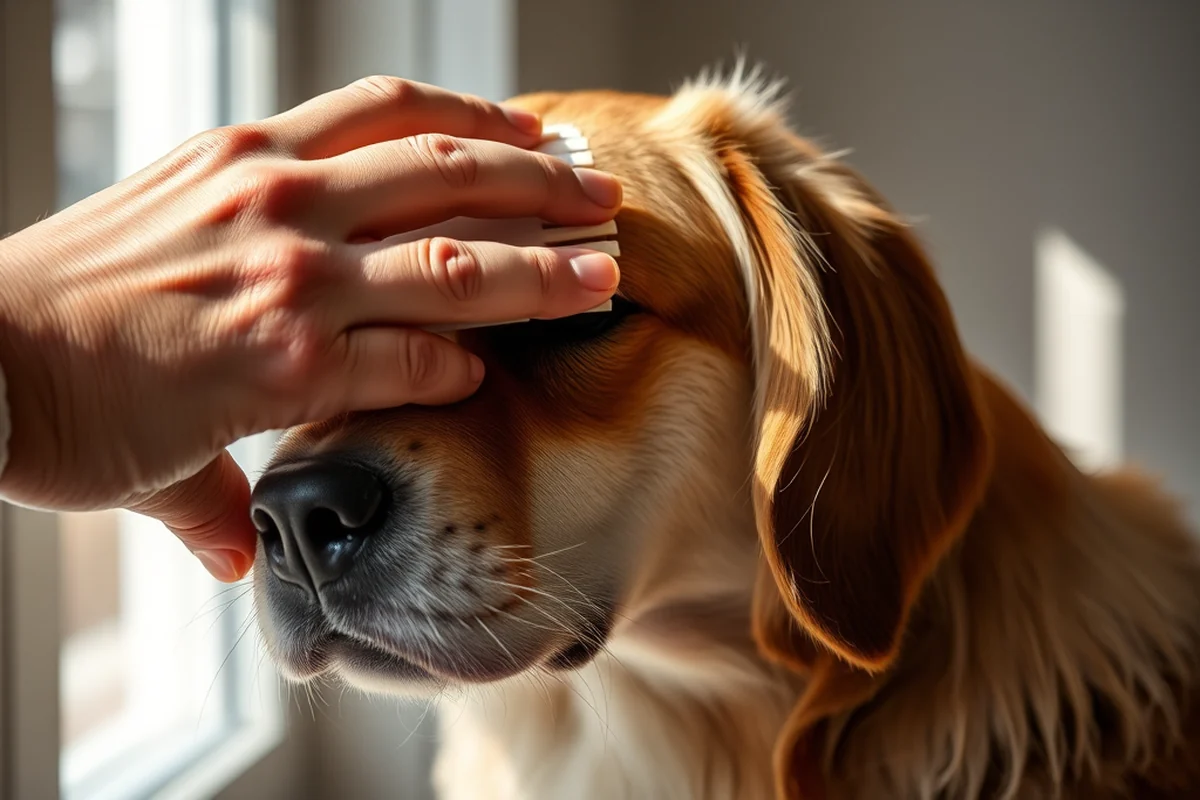
When I took Max for his first full dental checkup, the vet used a small camera to examine his mouth in detail. I saw images of deep pockets and infected roots that I never would have noticed on my own.
The vet also took X-rays, which revealed early signs of periodontal disease. This was a wake-up call — I had no idea that even a small amount of plaque could lead to such serious damage. The vet recommended a professional cleaning and a follow-up in three months.[5]
The process was quick and painless for Max. I was relieved to know that these checkups are essential for catching problems early. I now make it a priority to schedule these visits twice a year, no matter how busy I get.
Early detection can prevent a lifetime of pain and expensive treatments.
Related: Senior care activities director
How to Choose the Right Dental Products for Your Senior Pet
I used to buy whatever dental chews were on sale, not realizing they might not be suitable for seniors. After researching, I found that specific products are designed to be gentle on older pets’ gums and teeth.
My vet recommended dental chews with a low-calorie formula, since senior pets often have slower metabolisms. I also started using a toothpaste specifically formulated for pets, which is safe if swallowed and has a mild, appealing flavor.
I now use a soft-bristled pet toothbrush and a gentle gel that helps reduce plaque. It takes a few minutes each day, but the results are worth it. My dog’s breath is fresher, and his teeth are cleaner than ever before.
Look for dental products labeled 'for senior pets' or 'gentle on gums.' Avoid anything abrasive or overly hard, which can damage older teeth.
“When my 14-year-old golden retriever, Max, started showing signs of discomfort during mealtime, I knew it was time to take a closer look at his…”— Senior Pet Dental Care editors
Related: Senior best care adult family home
The Role of Diet in Senior Pet Dental Health
I used to feed Max a soft, kibble-like diet that was easy for him to chew. But the vet pointed out that this wasn’t doing enough to clean his teeth. He recommended switching to a diet that encourages chewing — like a raw or dental-specific kibble.
I tried a dry food labeled 'dental care' that has a texture designed to scrape plaque off the teeth. After two weeks, I noticed a visible difference — his teeth looked much cleaner, and his breath was less smelly.
Now, I mix in a few dental treats each day to keep his mouth active and clean. I’ve also learned that feeding him meals that require more effort to chew can help maintain the strength of his jaw and gums.
Related: Aged care without certificate
Understanding the Signs of Dental Disease in Senior Pets
I had no idea that my dog’s bad breath and decreased appetite were early signs of a serious problem. The vet explained that these symptoms are common in senior pets but should never be ignored.
Other red flags include excessive drooling, difficulty eating, and visible swelling around the mouth. I’ve since made it a point to watch for these signs and take action immediately if I notice anything unusual.
Early detection can save your pet from years of pain and discomfort. I’ve seen the difference it makes — pets who receive timely care live longer, healthier lives with fewer complications.
Related: Aged care vs retirement village
The Importance of Regular Brushing for Senior Pets
After the vet recommended brushing Max’s teeth, I was skeptical. I didn’t think he’d tolerate it. But to my surprise, he actually got used to it within a few days. I now brush his teeth every day, using a soft brush and pet-safe toothpaste.
I’ve noticed a difference in his overall health — his breath is fresher, and he eats more eagerly. My vet told me that even one brushing a day can significantly reduce plaque buildup and keep his teeth healthy for years.
I’ve also learned to be gentle and patient. It takes time to build trust, but the results are worth it. I now treat brushing as a bonding ritual — it’s not just about his health; it’s also about our connection.
Brushing once a day can be the difference between a painful old age and a comfortable one.
Related: Home care for seniors calgary
The Benefits of Professional Dental Cleanings for Senior Pets
I used to think that professional cleanings were only for dogs with visible dental problems. But after Max’s first cleaning, I realized how important it was for all senior pets, even those with no obvious symptoms.
The vet explained that professional cleanings remove plaque and tartar that even the best home care can’t eliminate. It also allows the vet to check for hidden issues like gum disease or tooth decay.
I now schedule these cleanings twice a year, no matter how much I may want to avoid it. I’ve seen the results — Max’s teeth are healthier, and his overall energy level has improved. It’s an investment I’m happy to make.
The Impact of Dental Disease on Senior Pet Longevity
Dental disease in senior pets is more than just bad breath — it can lead to systemic infections that affect the heart, liver, and kidneys. Studies show that up to 70% of senior dogs over the age of 8 have some form of dental disease, often undetected until it’s advanced. I once had a 10-year-old cat with severe gum disease that led to kidney failure, costing over $3,000 in emergency care. Early detection is key, and regular checkups can prevent such outcomes.
One practical step is to monitor your pet’s eating habits — if they’re avoiding hard kibble or dropping food, it may signal pain from dental issues. I’ve noticed that my 12-year-old dog started chewing on the left side of his mouth, which led to discovering a broken tooth during a routine checkup. Early intervention saved us thousands in later treatments. Regular at-home inspections, such as checking for swelling or redness, can also be lifesaving.
Another crucial technique is using veterinary dental X-rays, which can detect issues beneath the gumline that are invisible during a standard exam. My vet found a hidden abscess in my 9-year-old dog during an X-ray, which required immediate root canal treatment. This procedure, costing around $800, prevented a full tooth extraction and subsequent jawbone deterioration. Investing in advanced diagnostics can make all the difference in preserving your senior pet’s health and longevity.
🦴 Senior Pet Dental Routine
A customized care plan for aging pets, focusing on gentle brushing and professional cleanings.
🐶 Small Breed Dental Care
Tailored dental strategies for small breeds, who are more prone to dental disease and require special attention.
🐾 Multi-Pet Home Care
Tips for managing dental care in households with multiple senior pets, ensuring each receives individualized attention.
💰 Budget-Friendly Dental Care
Cost-effective ways to maintain your senior pet’s dental health without breaking the bank.
🧳 Traveling with Senior Pets
How to manage your senior pet’s dental care while on the go, including portable tools and tips for vet visits.
| The mistake | Why it happens | The fix |
|---|---|---|
| Ignoring bad breath or changes in eating habits | These can be early signs of serious dental disease that, if left untreated, can lead to tooth loss and systemic infections. | Schedule a veterinary checkup as soon as you notice any changes in your pet’s mouth or behavior. |
| Using the wrong type of toothpaste or dental chews | Human toothpaste is toxic to pets, and some dental chews can be too hard for senior pets with weakened teeth. | Always use pet-safe toothpaste and choose dental products specifically labeled for senior pets. |
| Skipping professional cleanings due to cost | Professional cleanings are a crucial part of senior pet dental care. Skipping them can lead to more expensive treatments down the line. | Talk to your vet about affordable dental care options, such as payment plans or discount programs. |
| Assuming that senior pets don’t need dental care | Senior pets are more prone to dental disease due to years of wear and tear. Skipping dental care can lead to painful and costly complications. | Make dental care a regular part of your senior pet’s routine, just as you would for any other aspect of their health. |
Top On Care
Common Questions
How often should I take my senior pet for a dental checkup?
What are the signs that my senior pet has dental disease?
Can I use human toothpaste to brush my pet’s teeth?
How can I make dental care easier for my senior pet?
Cite this guide
Senior Pet Dental Care (2026). Top On Care. https://caremolar.com/top-on-care/
Feel free to cite or share this guide.
References
- 211.334 Establishment of minimum standards and requirements for ... (apps.legislature.ky.gov)
- National Research Summit on Care, Services and Supports for ... (aspe.hhs.gov)
- Biden's executive order on care work is an important step for an ... (brookings.edu)
- India's frontline health workers", Vrinda Marwah - Calendars (calendars.illinois.edu)
- Hospital Quality Initiative Public Reporting - CMS (cms.gov)