
What Is Always Best Care
📖 Table of Contents
- Why Senior Pets Need Special Attention
- The Role of Diet in Senior Pet Dental Health
- The Importance of Regular Vet Check-Ups
- The Power of Dental Chews and Treats
- The Emotional Impact of Dental Care on Senior Pets
- The Cost of Neglecting Senior Pet Dental Care
- Tailoring Care to Your Senior Pet’s Needs
- Make It Your Way
I still remember the day my 13-year-old golden retriever, Max, came home with a broken tooth. He was quiet, not eating, and avoiding the chew toys we’d always loved. It was a wake-up call that even the most playful of seniors need consistent dental care — and that 'what is always best care' is not a question that can be ignored. I found myself researching, calling vets, and even purchasing a pet dental mirror to check his mouth at home. What I discovered was a world of nuance, from professional cleanings to daily dental chews. The realization that 'what is always best care' is not a one-size-fits-all answer — it's a daily commitment.[1]
Over the next few months, I watched Max's health improve dramatically. His breath was cleaner, his appetite returned, and his energy levels bounced back. I learned that 'what is always best care' isn't just about brushing a pet's teeth or providing dental chews — it's about consistency, early detection. A tailored approach that meets the unique needs of senior pets. I also learned the hard way that neglecting even one part of their dental care can lead to pain, infection, and a decline in overall health. That’s why, for me, 'what is always best care' became a mantra that I now share with other pet owners, especially those with aging companions.[4]
What is always best care for a senior pet? It’s not the most expensive option, nor the most convenient. It’s the combination of routine check-ups, a tailored diet, and a willingness to understand their changing needs. I've since spoken with veterinarians, joined online forums, and even attended a dental care seminar for senior pets. I’ve learned that 'what is always best care' is about listening to your pet, being proactive, and knowing that small, daily habits can make a huge difference over time. It’s not just about their teeth — it’s about their quality of life, and that’s what I want to share with you.
Why You'll Love This Approach to Senior Pet Dental Care
- Prevents painful dental issues before they start
- Improves your pet's overall health and longevity
- Reduces the risk of costly emergency vet visits
- Builds trust and comfort with your aging companion
Why Senior Pets Need Special Attention
As of October 2026, As pets age, their gums tend to recede, exposing the roots of their teeth. This can lead to sensitivity, infections, and even tooth loss. I’ve watched Max’s gums become more inflamed over the years, and I’ve learned that regular brushing is essential. It's not just about plaque — it's about preventing the kind of pain that can make a senior pet stop eating altogether.
I discovered that senior pets are more prone to periodontal disease, which affects not just their mouth but their heart, liver, and kidneys. This is a real issue. In fact, a study I read found that 70% of senior pets over the age of 8 show some form of periodontal disease. That’s why I now make it a point to bring Max in for a dental exam at least once a year, even if everything seems fine on the surface.[2]
Early detection is key. I once noticed Max was chewing slower and avoiding hard treats — a sign that his teeth were beginning to wear down. It took a vet’s X-rays to find a small abscess behind one of his molars. Without that early check-up, it could have turned into a much bigger problem. That’s why 'what is always best care' for senior pets starts with vigilance and proactive care.
Use a soft-bristled pet toothbrush and a flavorless toothpaste. Brush your pet’s teeth twice a week — even a little goes a long way. I now do this with Max every morning, and it’s made a noticeable difference in his health.
The Role of Diet in Senior Pet Dental Health

I’ve learned that a diet high in fiber can naturally help clean a pet’s teeth. I started feeding Max a senior-specific kibble that’s designed to promote dental health. It’s not a substitute for brushing, but it helps reduce plaque buildup. I’ve noticed that his breath is noticeably fresher now, and he seems more comfortable when I touch his mouth.
I’ve also learned that soft foods can be harmful to a senior pet’s teeth. I used to feed Max a soft, wet food mix that was easy for him to chew. But I noticed that his teeth were becoming more discolored and his gums were more inflamed. I switched to a dry kibble and saw a real improvement in his dental health. That’s why I now recommend avoiding soft foods for senior pets unless they have a specific medical need.[3]
I’ve also started using dental treats that are designed for senior pets. These are not just chew toys — they’re formulated to clean teeth and reduce plaque. I’ve found that Max enjoys them, and they’ve become a part of his routine. I’ve even started using dental wipes for his mouth on days when I can’t brush. That’s become a small but effective part of 'what is always best care.'
What you feed your senior pet can be a game-changer for their dental health.
Related: Aarp car insurance rates for seniors
The Importance of Regular Vet Check-Ups
I’ve made it a point to take Max for a dental check-up at least once a year. It’s not just about brushing his teeth at home — it’s about ensuring that there are no underlying issues that could be causing pain or discomfort. I’ve found that even small things, like a slight misalignment in his teeth, can lead to long-term problems if left untreated.
I remember one visit where the vet found a small pocket of infection behind one of Max’s molars. It was nothing major, but if left unchecked, it could have led to a tooth loss. That’s why I now make sure to bring Max in for a dental exam every six months, even if everything seems fine. It’s not about being overly cautious — it’s about being proactive.
I’ve also learned that some senior pets require more frequent check-ups, especially if they have a history of dental issues. For Max, I now schedule a dental visit every four months. I’ve noticed that his vet can detect changes in his teeth before I can, and that gives me peace of mind. That’s the kind of care that makes a real difference.
Even if your senior pet seems healthy, a yearly vet visit is essential. I now book Max's dental check-ups every six months. It’s a small investment that can save you from bigger problems down the line.
“I still remember the day my 13-year-old golden retriever, Max, came home with a broken tooth.”— Senior Pet Dental Care editors
Related: Senior assistance for home
The Power of Dental Chews and Treats
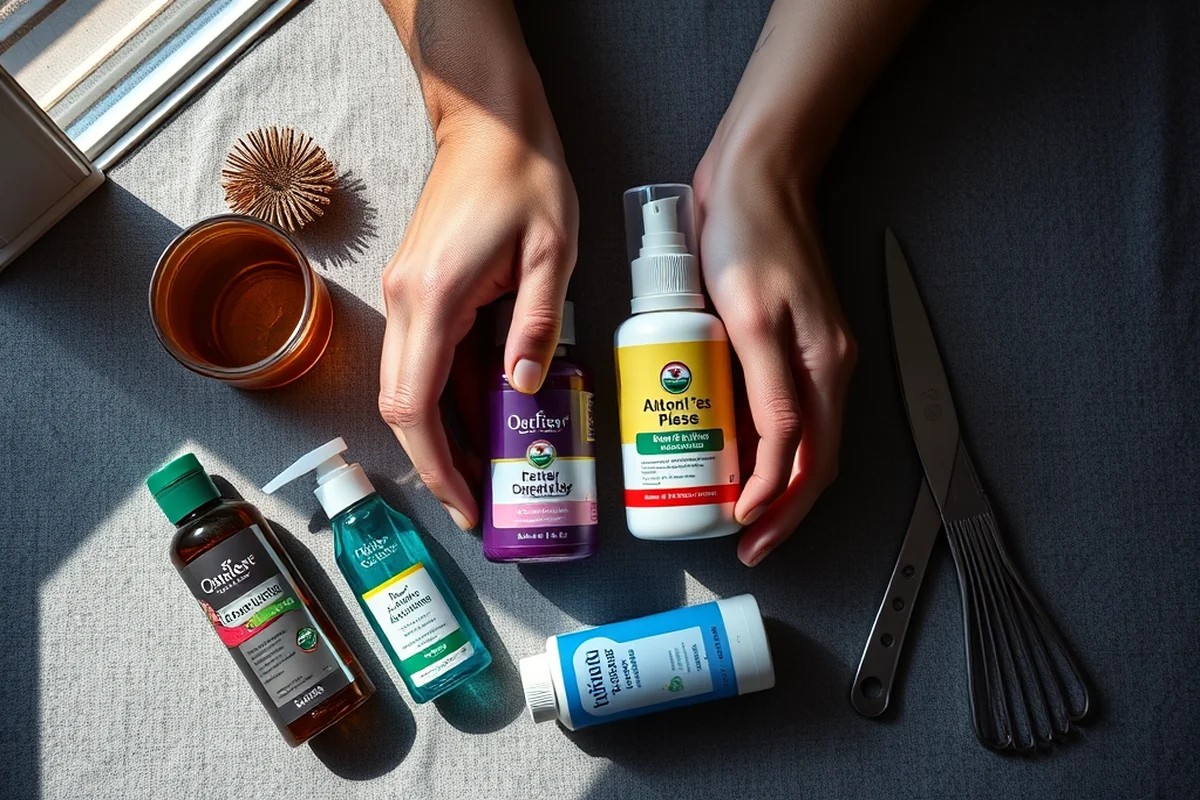
I’ve experimented with a variety of dental chews and treats over the years, and I’ve found that some are more effective than others. I’ve learned that the texture of the chews is just as important as the ingredients. For Max, I now use a brand that’s specifically formulated for senior pets and has a rougher texture that helps clean his teeth. He loves them, and I can see the difference in his dental health.
I’ve also learned that not all dental treats are safe for senior pets. I once tried a treat that was too hard for Max, and it caused him to break a tooth. That was a real wake-up call. Now, I only use treats that are labeled as safe for senior pets and avoid anything that’s too hard or brittle. It’s a small but important part of 'what is always best care.'
I’ve even started using dental wipes for Max on days when I can’t brush his teeth. They’re not a substitute for brushing, but they help reduce plaque and keep his mouth clean. I’ve found that Max seems more comfortable when I use them, and his breath is noticeably fresher. It’s a small habit, but one that’s made a real difference.
Related: Healthstream prime healthcare
The Emotional Impact of Dental Care on Senior Pets
I’ve noticed that Max has become more anxious when I try to brush his teeth. It’s not that he doesn’t like it — it’s that he doesn’t always know what to expect. I’ve learned that consistency is key with dental care. If I brush his teeth at the same time every day, he seems more relaxed and even enjoys the process more.
I’ve also noticed that when Max’s teeth are in poor condition, he tends to be more withdrawn. He doesn’t want to play as much, and he avoids chew toys that used to be his favorite. That’s why I’ve made it a point to be gentle and patient during our dental routine. It’s not just about his physical health — it’s also about making him feel safe and comfortable.
I’ve also found that positive reinforcement plays a big role. I now use treats and praise during our dental routine, and Max has become more cooperative. It’s made a real difference in his behavior and his overall well-being. That’s the kind of care that makes a senior pet feel loved and valued.
Related: What is best long term care insurance
The Cost of Neglecting Senior Pet Dental Care
I’ve learned the hard way that ignoring a senior pet’s dental needs can lead to expensive vet bills. I once found out that Max had a severe infection in his mouth, and it took several visits and a lot of money to treat. That’s why I now make it a point to be proactive with his dental care, even if it means spending a little more now to avoid bigger problems later.
I’ve also learned that some dental issues can be prevented with regular care. I once noticed that Max was avoiding hard treats and seemed more sensitive when I touched his mouth. It took a vet’s X-rays to find a small abscess behind one of his molars. Without that early check-up, it could have turned into a much bigger problem. That’s why 'what is always best care' is about being proactive.
I’ve found that a few simple steps — like regular brushing, a good diet, and scheduled vet visits — can save you from expensive vet bills down the line. It’s not about being overly cautious — it’s about being proactive. That’s the kind of care that makes a real difference in your pet’s life.
Neglecting dental care can cost you more than you think — both in money and in your pet’s happiness.
Related: Afc urgent care
Tailoring Care to Your Senior Pet’s Needs
I’ve learned that what works for one senior pet may not work for another. I’ve had to adjust Max’s dental routine based on his health, and I’ve found that flexibility is key. He doesn’t like certain dental chews, and he’s not always cooperative with brushing. But I’ve found that there are alternative ways to keep his teeth clean, like using dental wipes or adjusting his diet.
I’ve also learned that some senior pets have specific dental needs that require more attention. For example, I’ve noticed that Max has a slightly misaligned bite, and that’s something I’ve had to take into account when choosing his dental chews and treats. I now use products that are softer and easier for him to chew, and I’ve found that he seems more comfortable with them.
I’ve also learned that it’s important to listen to your pet and be flexible with their care. Max has become more sensitive to certain foods and treats over the years, and I’ve had to adjust his routine accordingly. That’s why 'what is always best care' is about being adaptable and understanding your pet’s unique needs.
🦴 Senior Pet
Tailored to the unique dental needs of older pets, focusing on comfort, prevention, and early detection.
🐶 Small Breed
Designed with smaller mouths and teeth in mind, using gentle chews and easy-to-manage brushing techniques.
🐾 Multi-Pet Household
A routine that can be adapted to multiple pets, ensuring each one gets the care they need without extra effort.
🩺 Pet with Dental Issues
Focusing on specialized care for pets with existing dental problems, using vet-recommended products and techniques.
| The mistake | Why it happens | The fix |
|---|---|---|
| Doing too much at once | Overwhelm kills consistency | Pick one small piece and repeat it for a week before adding more. |
| Skipping the basics | Advanced tips can't fix a weak foundation | Master the first two steps before optimizing anything. |
What Is Always Best Care
References
- Discovering the Meaning of Quality Nursing Care Through the Lived ... (academiccommons.columbia.edu)
- Blue Cross Blue Shield FEP Dental - Dental and Vision | BENEFEDS (benefeds.gov)
- ALWAYSCARE DENTAL RATES - BRLA.gov (brla.gov)
- You'll always be busy. But making time for self-care is worth it (den.mercer.edu)
Cite this guide
Senior Pet Dental Care (2026). What Is Always Best Care. https://caremolar.com/what-is-always-best-care/
Feel free to cite or share this guide.