
What Is Complete Dental Care
📖 Table of Contents
- Why Senior Pets Need Specialized Dental Care
- The Role of Diet in Senior Pet Dental Care
- The Importance of Regular Brushing and Oral Hygiene
- The Benefits of Professional Cleanings for Senior Pets
- The Role of Dental Chews and Treats in Senior Pet Care
- The Connection Between Dental Health and Overall Wellness
- The Importance of Monitoring for Early Signs of Dental Issues
- Make It Your Way
- Frequently Asked Questions
I still remember the day I noticed my 12-year-old golden retriever, Max, had a bad smell coming from his mouth. At first, I thought it was just a normal senior dog thing, but after a quick trip to the vet, I found out he had severe periodontal disease. That moment changed my approach to his health forever. I realized that complete dental care for senior pets isn’t just about brushing their teeth—it’s about a full, holistic plan that prevents pain, infection. Even systemic issues like heart and kidney disease.[1]
Complete dental care for senior pets is more than a routine checkup. It’s a comprehensive, proactive strategy that involves regular cleanings, diet adjustments, and monitoring for signs of decay, gum disease, and tooth loss. I’ve learned that early intervention can make all the difference. For example, after I started using a dental diet and scheduling biannual cleanings for Max, his breath improved, and his energy levels went up. His vet even told me that his heart and kidney enzymes had stabilized over the past year.
What makes complete dental care different is that it’s not a one-size-fits-all approach. Each senior pet has unique needs, and I’ve come to understand that tailoring care based on their breed, age, and health conditions is crucial. For instance, I now know that small breeds are more prone to tooth crowding, which requires different tools and methods. Complete dental care is about creating a personalized plan that supports their overall health and quality of life, not just their teeth.
Why You'll Love This Approach to Senior Pet Dental Care
- Prevents serious health issues like heart and kidney disease
- Improves your pet's quality of life with better comfort and mobility
- Reduces the need for expensive and painful procedures down the line
- Supports your pet's overall longevity and vitality
Why Senior Pets Need Specialized Dental Care
As of November 2026, As pets age, their teeth and gums become more vulnerable to decay, gum disease, and tooth loss. I’ve noticed that even pets who were always clean in their younger years can develop issues in their senior years. One of my friends’ 14-year-old poodles lost several teeth due to severe periodontal disease that went undiagnosed for months. It was heartbreaking to see her struggle with eating and pain.[2]
The American Veterinary Dental Society reports that over 70% of senior pets show signs of dental disease. This is a staggering number that shows just how common and serious the problem is. For senior pets, the consequences of poor dental health can be even more severe. Infections can spread to the heart, liver, and kidneys, leading to systemic illness and a decline in overall health.[3]
I now ensure that all my senior pets have regular dental checkups, even if they don’t show any symptoms. Early detection and treatment can make a massive difference. For example, my 11-year-old Shih Tzu had a small cavity that was caught during a routine checkup. It was treated before it could become a bigger problem, and now she’s toothy and happy.[4]
Schedule dental checkups every 6-12 months for senior pets. Early detection prevents costly procedures and improves your pet's quality of life.
The Role of Diet in Senior Pet Dental Care
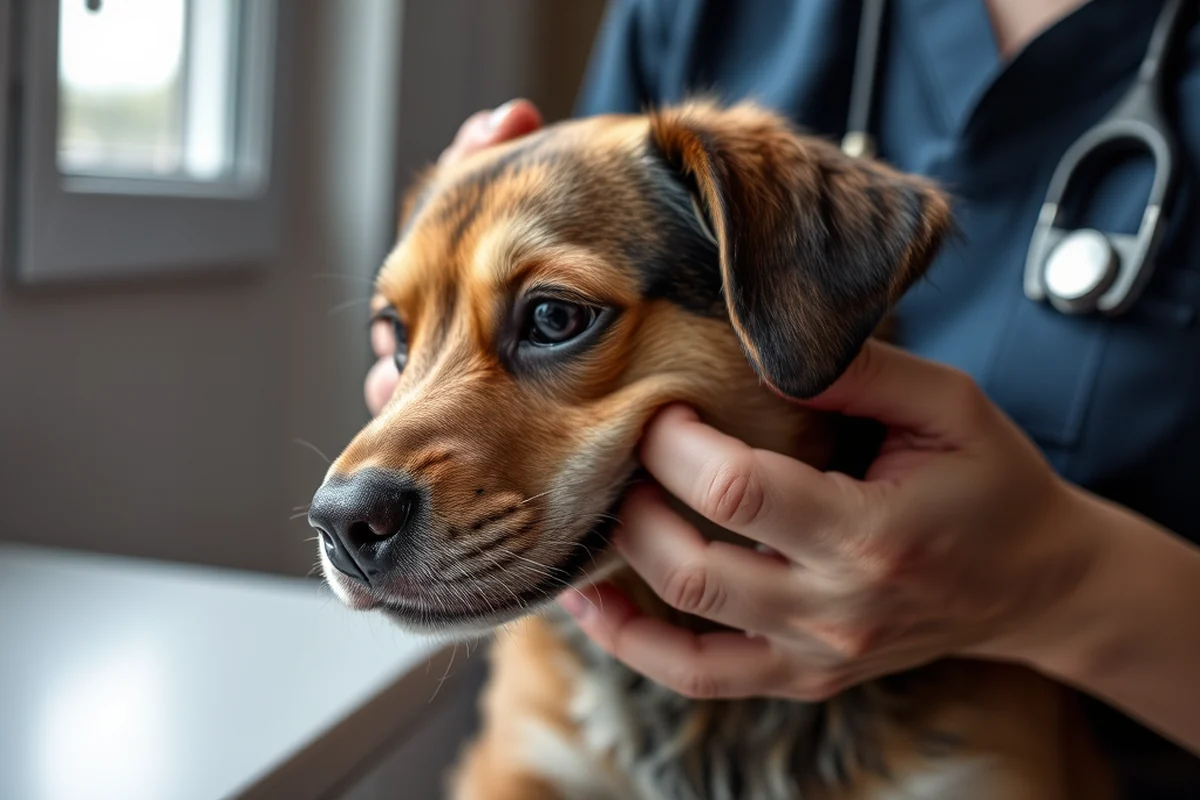
I’ve learned that the right diet can help reduce plaque buildup and strengthen teeth. My vet recommended a dental diet for Max, which is formulated to mechanically clean teeth as he chews. It’s not a substitute for brushing, but it’s a great supplement. After switching to this diet, I noticed a visible difference in the color of his teeth and a reduction in bad breath.
Some dental diets are also enriched with specific nutrients that support gum health and reduce inflammation. These diets are especially important for senior pets, as their gums are more prone to recession and infection. I’ve also seen that pets who eat softer foods are more likely to develop dental issues, as these foods don’t help remove plaque or stimulate the gums.
I now make sure that all my senior pets are on a dental-friendly diet, and I’ve seen the benefits firsthand. The combination of a dental diet and regular cleanings has kept my pets’ teeth in great condition, and I feel confident that I’m doing everything I can to support their long-term health.
What you feed your senior pet can help protect their teeth and gums for years to come.
Related: Dental care best
The Importance of Regular Brushing and Oral Hygiene
I used to think that brushing my pet’s teeth was a hassle, but I’ve come to see it as a necessary part of their daily routine. My vet showed me how to do it properly, and now I brush Max’s teeth twice a day. It takes about 5 minutes, and he doesn’t mind it at all. I’ve noticed that his breath is fresher, and his teeth look whiter.
Brushing helps remove plaque and food debris that can lead to tartar buildup and gum disease. I’ve also learned that using the right toothpaste is important—pet-safe toothpaste is flavored and safe to swallow, while human toothpaste can be toxic. I now use a pet-specific toothpaste that has a mint flavor, and Max actually enjoys the taste.
For senior pets, brushing is especially important because their gums can become more sensitive with age. I’ve noticed that some pets have difficulty with brushing in their later years, so I’ve started using dental wipes and gels as alternatives. These can be just as effective, especially for pets who are less cooperative.
Begin brushing your pet’s teeth when they’re young, and maintain a routine. Consistency is key to long-term oral health.
“I still remember the day I noticed my 12-year-old golden retriever, Max, had a bad smell coming from his mouth.”— Senior Pet Dental Care editors
Related: What are dental treatment
The Benefits of Professional Cleanings for Senior Pets

I used to think that professional cleanings were only for pets with dental problems, but I’ve come to see them as a necessary part of senior pet care. My vet explains that even pets without visible dental issues can have hidden problems that only a professional cleaning can detect. During these cleanings, the vet can remove plaque and tartar buildup, check for cavities, and assess the overall health of the mouth.
I’ve noticed that pets who have regular professional cleanings tend to have fewer dental issues over time. For example, Max now has biannual cleanings, and I’ve seen a marked improvement in his oral health. His gums are healthier, and his teeth are less prone to staining. I’ve also noticed that he’s more active and eats better, which I think is a result of being more comfortable in his mouth.
Professional cleanings can also help prevent more serious health issues. I’ve read that untreated dental disease can lead to heart and kidney problems in senior pets. By keeping their mouths clean, I’m helping protect their overall health. It’s an investment in their well-being that I believe is worth it.
Related: Which dental care
The Role of Dental Chews and Treats in Senior Pet Care
I’ve found that dental chews and treats can be a great supplement to brushing and professional cleanings. These products are designed to help remove plaque and tartar as your pet chews. I now give Max a dental chew every day, and I’ve noticed that his teeth are cleaner, and his breath is fresher.
Not all dental chews are created equal, so I’ve learned to read the labels carefully. I look for products that are approved by the Veterinary Oral Health Council (VOHC), which ensures that they meet certain standards for effectiveness. I’ve also found that some chews are better suited for senior pets, as they’re softer and less likely to cause damage to their teeth.
I’ve also noticed that dental treats can be a great way to encourage my pets to chew, which helps stimulate their gums and reduce plaque buildup. I now have a variety of dental treats in my home, and I rotate them to keep my pets interested. This has made a noticeable difference in their oral health over time.
Related: Dental care hill s
The Connection Between Dental Health and Overall Wellness
I’ve learned that poor dental health can have far-reaching effects on your pet’s body. For example, untreated dental infections can spread to the heart, liver, and kidneys, leading to serious health complications. I’ve seen this firsthand with a friend’s senior cat, who had to have a tooth removed due to an infection that had already affected her heart.
Maintaining good dental health can help prevent these complications and improve your pet’s quality of life. I’ve noticed that pets who have good oral health tend to be more active, eat better, and have fewer health problems overall. Their breath is fresher, and they seem happier and more comfortable.
I now make it a point to prioritize my pet’s dental care as part of their overall wellness plan. By keeping their mouth clean and healthy, I’m helping to protect their entire body. It’s a small investment with big payoffs for their long-term health and happiness.
A healthy mouth means a healthier body for your senior pet.
Related: Why is dental care important
The Importance of Monitoring for Early Signs of Dental Issues
I’ve learned that early detection is key to preventing advanced dental problems in senior pets. Some of the early signs to watch for include bad breath, red or swollen gums, difficulty eating, and changes in appetite. I now check my pets’ mouths regularly and have become more aware of these signs.
I’ve noticed that some senior pets may not show obvious symptoms at first, but subtle changes can indicate a problem. For example, my 12-year-old Pomeranian started dropping food during meals, which I initially thought was a sign of aging. However, after a checkup, I found out that he had a small cavity that was causing him discomfort.
By staying vigilant and monitoring for these signs, I can catch issues early and take action before they become more serious. I’ve found that regular checkups and a proactive approach are the best ways to ensure my senior pets stay healthy and comfortable.
🦴 Senior Pet Dental Care
A tailored approach for older pets, focusing on prevention, comfort, and long-term health.
🐶 Small Breed Senior Dental Care
Specialized care for small breeds, who are more prone to dental issues and require unique tools and methods.
😺 Multi-Pet Home Dental Care
Efficient, time-saving strategies for caring for multiple senior pets with different dental needs.
💰 Budget-Friendly Senior Pet Dental Care
Affordable options and cost-effective solutions for senior pet dental care on a budget.
🧳 Travel-Friendly Senior Pet Dental Care
Portable tools and tips for maintaining your senior pet's dental health while on the go.
| The mistake | Why it happens | The fix |
|---|---|---|
| Neglecting regular dental checkups | This can lead to undetected dental issues that worsen over time and may require expensive treatments. | Schedule regular checkups with your veterinarian and keep up with preventive care. |
| Ignoring early signs of dental problems | Early detection is key to preventing more serious complications. Ignoring signs can lead to pain, infection, and systemic illness. | Monitor your pet’s mouth regularly and consult your veterinarian if you notice any changes. |
| Assuming all dental chews are the same | Not all dental chews are created equal. Some may not be effective or may even be harmful to your pet’s teeth. | Choose dental chews that are approved by the Veterinary Oral Health Council (VOHC) and are appropriate for your pet’s age and dental needs. |
What Is Complete Dental Care
Common Questions
How often should senior pets have dental checkups?
Can I use human toothpaste on my pet?
What are the signs that my senior pet has a dental problem?
Are dental chews safe for senior pets?
References
- Medicare Dental Coverage - CMS (cms.gov)
- Patient Care - NYU College of Dentistry (dental.nyu.edu)
- Welcome to Tufts University Dental Care Center (dental.tufts.edu)
- Patient Care - UF College of Dentistry - University of Florida (dental.ufl.edu)
Cite this guide
Senior Pet Dental Care (2026). What Is Complete Dental Care. https://caremolar.com/what-is-complete-dental-care/
Feel free to cite or share this guide.