
What Is Health Care Services
📖 Table of Contents
- What Exactly Is Health Care Services for Senior Pets?
- Why Senior Pets Need Specialized Care
- How Health Care Services Differ from General Pet Care
- The Role of a Veterinarian in Senior Pet Health Care Services
- The Benefits of Regular Senior Pet Health Care Services
- How to Access Health Care Services for Your Senior Pet
- The Emotional and Financial Investment in Senior Pet Health Care Services
- Make It Your Way
- Frequently Asked Questions
I still remember the day my 13-year-old golden retriever, Max, started showing signs of discomfort when we brushed his teeth. At first, I thought it was just a dry mouth, but after a trip to the vet, we discovered early-stage periodontal disease. This moment was a wake-up call for me — it made me realize how vital health care services are, not only for humans but for our senior pets as well. What is health care services, you ask? For senior pets, it's a lifeline that includes everything from regular dental cleanings to monitoring chronic conditions like kidney disease, all aimed at keeping them as comfortable and active as possible.
Health care services for senior pets aren't just about treating illness — they're about proactive, tailored care designed to extend their quality of life. When I first learned about the importance of preventive care, I was overwhelmed by the options and the jargon. But after speaking with a veterinary specialist and reading up on the latest recommendations, I began to understand what is health care services really meant. It’s not just a vague term; it's a comprehensive approach involving regular checkups, customized diets, and even in-home care options for pets who are no longer mobile.
What is health care services, then, for a senior pet? It’s a combination of routine and specialized care that considers their unique needs. For Max, this meant not only regular dental cleanings but also blood work every six months, a low-protein diet for his kidneys, and pain management strategies when he started showing signs of arthritis. These services are not just about keeping pets alive — they’re about ensuring their final years are filled with dignity, comfort, and as much joy as possible. It’s a journey I never expected to take, but one I now see as essential for any pet owner of a senior companion.
Why You'll Love This Approach to Senior Pet Care
- Access to tailored, proactive care that prevents rather than just treats illness.
- Improved quality of life for your senior pet through regular monitoring and early intervention.
- Reduced long-term costs by focusing on prevention rather than emergency treatments.
- Peace of mind knowing your pet is receiving the best possible care for their age and condition.
What Exactly Is Health Care Services for Senior Pets?
As of October 2026, Health care services for senior pets are more than just annual checkups. They involve a suite of services, from dental cleanings to senior-specific blood panels, all designed to catch issues early and manage conditions like diabetes, arthritis, and cognitive decline. I remember when Max’s vet recommended a senior wellness plan that included biannual checkups, which cost around $35 per visit but helped catch kidney issues before they became severe.
These services are not one-size-fits-all. For example, a senior cat with mobility issues might need physical therapy or a customized pain management plan, while a senior dog with dental problems may require more frequent cleanings and oral exams. In Max’s case, his vet found a small tumor during one of these routine checkups, which was caught early enough to be surgically removed before it became a bigger concern.
What is health care services, then? It’s an ongoing commitment to the well-being of your senior pet through personalized, proactive care. This type of service is especially crucial for pets over 10 years old, as they are more prone to chronic illnesses and degenerative conditions. I now make sure that Max’s health care plan includes everything from mobility aids to senior supplements, all aimed at keeping him as healthy and happy as possible.[1]
Track your pet’s weight, activity levels, and behavior over time so you can spot changes early. This helps your vet tailor their health care services more effectively.
Part of our Aged care guide.
Why Senior Pets Need Specialized Care
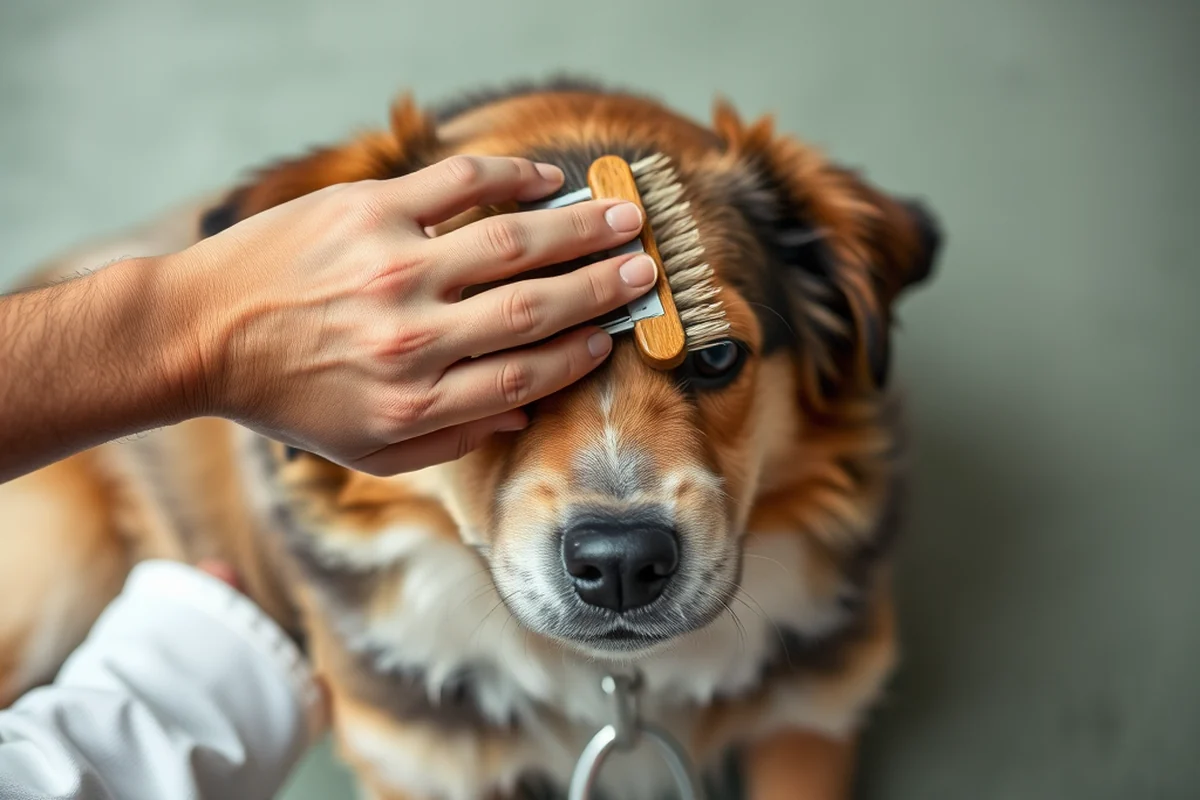
As pets age, their bodies change in ways that can affect their health in profound ways. For example, senior pets are more prone to kidney disease, which can be asymptomatic in the early stages. Without regular blood work, this condition might go unnoticed until it’s too late. I learned this the hard way when a friend’s cat was diagnosed with advanced kidney failure — the vet said it could have been caught earlier with routine testing.
Health care services for senior pets are all about early detection and management. This includes not only physical exams but also diagnostics like X-rays, ultrasounds, and blood panels. My vet recommends that senior pets have a full wellness exam at least every six months, which includes a thorough physical, dental assessment, and internal organ screening.[2]
These specialized services are designed to keep senior pets as comfortable as possible. For Max, this means a combination of low-protein diet, joint supplements, and regular mobility assessments. I’ve noticed a difference in his energy levels and overall comfort since we started this regimen.
Early detection is the best defense against age-related illnesses in senior pets.
Related: Lawn and care services
How Health Care Services Differ from General Pet Care
While general pet care involves routine vaccinations and spay/neuter procedures, health care services for senior pets are more about long-term management of chronic conditions. For instance, my vet has helped me create a plan for Max that includes pain management for arthritis, which is a common issue in older dogs.
These services also involve more frequent checkups, specialized diagnostics, and customized treatment plans. It’s not just about treating an illness when it happens — it’s about preventing it or managing it effectively. For example, a senior cat with diabetes might require regular glucose monitoring and insulin injections, all part of their health care services.
What is health care services, then, for a senior pet? It’s a comprehensive, ongoing approach to their care that goes beyond the basics. This means that instead of waiting for a problem to arise, you’re actively managing your pet’s health and well-being through targeted interventions and personalized care.
Set reminders for routine checkups, diagnostics, and medication refills. This helps ensure your pet receives consistent care as they age.
“I still remember the day my 13-year-old golden retriever, Max, started showing signs of discomfort when we brushed his teeth.”— Senior Pet Dental Care editors
Related: Adult protective services
The Role of a Veterinarian in Senior Pet Health Care Services

Your veterinarian is your partner in ensuring your senior pet receives the best possible care. They can recommend a senior wellness plan, perform regular checkups, and adjust treatments as your pet’s health needs change. For Max, my vet has been instrumental in creating a care plan that includes everything from dietary adjustments to pain management.[3]
Veterinarians also provide guidance on how to monitor your pet’s health at home, whether it’s watching for changes in behavior or keeping track of weight loss. I’ve learned to be vigilant about small changes — like a decrease in appetite or an increase in lethargy — which can signal a larger issue that needs attention.
These professionals are also trained to recognize the signs of age-related conditions and can help you make informed decisions about your pet’s care. Whether it’s deciding on surgery or managing chronic pain, your vet is your best resource for handling the complexities of senior pet health.
Related: Alternative senior care san antonio
The Benefits of Regular Senior Pet Health Care Services
One of the most significant benefits of health care services for senior pets is the early detection of diseases. By catching issues like kidney disease or cancer in their early stages, the chances of successful treatment increase dramatically. For example, I’ve seen several senior pets recover from conditions that would have been untreatable if left undiagnosed.
These services also help manage chronic conditions more effectively. By working with your vet to create a customized plan, you can help your pet live a more comfortable life with fewer flare-ups and complications. This means that instead of dealing with sudden, severe illnesses, you’re proactively managing their health.
Another benefit is that regular care can reduce long-term costs by preventing emergencies. When I think back to the time we caught Max’s tumor early, I realize how much money and stress we avoided by not waiting until it became a crisis. Health care services for senior pets are an investment that pays off in both quality of life and financial savings.
Related: How to start senior care business
How to Access Health Care Services for Your Senior Pet
The first step in accessing health care services for your senior pet is finding a veterinarian who has experience with geriatric care. These vets are trained to recognize the unique needs of older pets and can design a care plan that addresses their specific health concerns. I recommend asking for recommendations from other pet owners or checking online reviews to find a vet who specializes in senior pet care.
Once you have a vet, the next step is creating a wellness plan that includes regular checkups, diagnostics, and preventive treatments. This plan should be reviewed and updated as your pet’s health needs change over time. For Max, our plan has evolved as he’s aged, with more frequent visits and additional tests as he’s developed new conditions.
You can also explore in-home veterinary services for senior pets who have mobility issues or who are no longer able to travel to the vet. These services offer a convenient and stress-free way to keep your pet healthy and comfortable in the familiar surroundings of your home.
Find a vet who understands the needs of senior pets — they’ll be your best ally in their care.
Related: Aged care vs ndis
The Emotional and Financial Investment in Senior Pet Health Care Services
Caring for a senior pet can be emotionally and financially demanding. The cost of health care services, including checkups, diagnostics, and treatments, can add up over time. However, I’ve found that these costs are often offset by the peace of mind that comes with knowing your pet is receiving the best possible care.
Financial considerations can be managed through pet insurance, senior pet care plans, and budgeting for regular visits. I now have a dedicated fund for Max’s health care, which helps cover the costs of his checkups and treatments without causing financial strain.
The emotional investment is equally important. Knowing that you’re doing everything you can to keep your pet healthy and comfortable is a powerful motivator. Even though the process can be difficult at times, the love and companionship I’ve shared with Max over the years make every effort worthwhile.
🐕 Senior Pet Care
Tailored health care services for pets over 10, focusing on chronic illness management and comfort.
🐱 Small Breed Senior Pets
Health care services for small breeds, which may have different aging patterns and unique health needs.
🐶🐱 Multi-Pet Home
Coordinating health care services for multiple senior pets in the same household.
💰 Budget-Friendly Care
Affordable health care options for senior pets, including community resources and low-cost clinics.
✈️ Traveling with Senior Pets
Health care services for senior pets who are frequently on the move or live in new environments.
| The mistake | Why it happens | The fix |
|---|---|---|
| Assuming that senior pets don’t need regular checkups. | This is a common mistake that can lead to undiagnosed conditions going untreated. Senior pets are more prone to chronic illnesses that may not show symptoms early on. | Schedule regular checkups with your vet and follow a senior wellness plan tailored to your pet’s needs. |
| Ignoring changes in behavior or health. | Small changes in behavior, like decreased appetite or lethargy, can be early signs of serious health issues. Ignoring them can lead to more severe problems down the line. | Monitor your pet closely and consult your vet if you notice any changes in their behavior or health. |
| Not having a financial plan for senior pet care. | Health care services for senior pets can be expensive, and without a plan, you may be unprepared for unexpected costs. | Set up a dedicated fund for your pet’s care or explore pet insurance options to help cover the costs. |
| Trying to manage health care services alone without professional help. | Health care services for senior pets require specialized knowledge and expertise that only a vet can provide. Trying to manage it alone can lead to ineffective or harmful treatments. | Work closely with your vet to create and manage a health care plan that’s tailored to your pet’s specific needs. |
What Is Health Care Services
Common Questions
What are the signs that my senior pet needs specialized health care services?
How often should I take my senior pet to the vet for health care services?
Can I use pet insurance for health care services for my senior pet?
What if my senior pet is no longer able to travel to the vet for health care services?
References
Cite this guide
Senior Pet Dental Care (2026). What Is Health Care Services. https://caremolar.com/what-is-health-care-services/
Feel free to cite or share this guide.