
First Health Insurance
📖 Table of Contents
- What is 'First Health Insurance' for Senior Pets?
- The Hidden Costs of Senior Pet Care
- How to Choose the Right 'First Health Insurance' Plan
- The Impact of 'First Health Insurance' on Senior Pet Longevity
- The Role of 'First Health Insurance' in Preventive Care
- The Importance of Understanding Coverage Limits
- The Emotional Benefits of 'First Health Insurance'
- Make It Your Way
- Frequently Asked Questions
I remember the first time I realized my 12-year-old golden retriever, Max, was struggling to chew his kibble. It wasn’t just the sound of crunching — it was the way he would pause, look at me with those soft brown eyes, and then gently drop the kibble on the floor. That moment was a wake-up call. It led me down a path of research. I found that one of the most overlooked tools for senior pets is 'first health insurance.' Not only did it cover Max’s dental cleaning, but it also helped with his arthritis treatment, which I had completely forgotten about until it was too late.
When I first considered 'first health insurance' for my pets, I was skeptical. I thought of it as a luxury, not a necessity. But as Max’s health issues grew more complex, I quickly realized that this kind of insurance isn’t just about covering costs — it’s about giving your senior pet the care they deserve, no matter how expensive it might be. And the best part? It’s not just for big-ticket items. It can help with routine checkups, early detection of issues, and even the cost of pain management, which is often a hidden burden on pet owners.
I’ve learned that the term 'first health insurance' might sound unfamiliar, but it’s a concept that’s becoming more common for seniors who are aging with their pets. For those of us who have spent decades with our companions, the idea of having a safety net for their health is something we can’t ignore. 'First health insurance' isn’t just about protecting your wallet — it’s about protecting your pet’s quality of life, and that’s a promise I’m more than willing to make.
Why You'll Love This Coverage
- It can cover expensive senior pet procedures like dental cleanings and orthopedic surgeries.
- It allows for early detection of health issues, which can save money in the long run.
- It gives you peace of mind knowing your pet has support for unexpected medical costs.
- It can be tailored to fit your pet's specific needs, including chronic condition management.
What is 'First Health Insurance' for Senior Pets?
As of October 2026, this kind of insurance is specifically tailored for senior pets who are more likely to suffer from chronic conditions, arthritis, and dental issues. It covers a range of services, from routine checkups to emergency treatments. I’ve seen firsthand how it can make a difference — Max had his first dental cleaning at the age of 12, which cost $400. Without insurance, that would have been a significant hit to my budget, but with coverage, it was manageable.[1]
One of the most important features of 'first health insurance' is that it allows for early detection of health problems. I’ve read that nearly 75% of senior pets develop some form of chronic disease by the time they reach 10 years old. This insurance helps ensure that these conditions are caught early, which can drastically improve outcomes and reduce long-term costs.[2]
It's not just about covering the cost of treatment — it's about giving your pet the best possible care. For me, that meant making sure Max didn’t have to wait for an emergency. With 'first health insurance,' I knew that we had options, and that gave me the confidence to be proactive about his care.
Even if your pet is healthy now, starting 'first health insurance' early can make a big difference when they reach their senior years. I began my search for coverage when Max was just 8 years old, and it made all the difference.
Part of our Pet insurance guide.
The Hidden Costs of Senior Pet Care
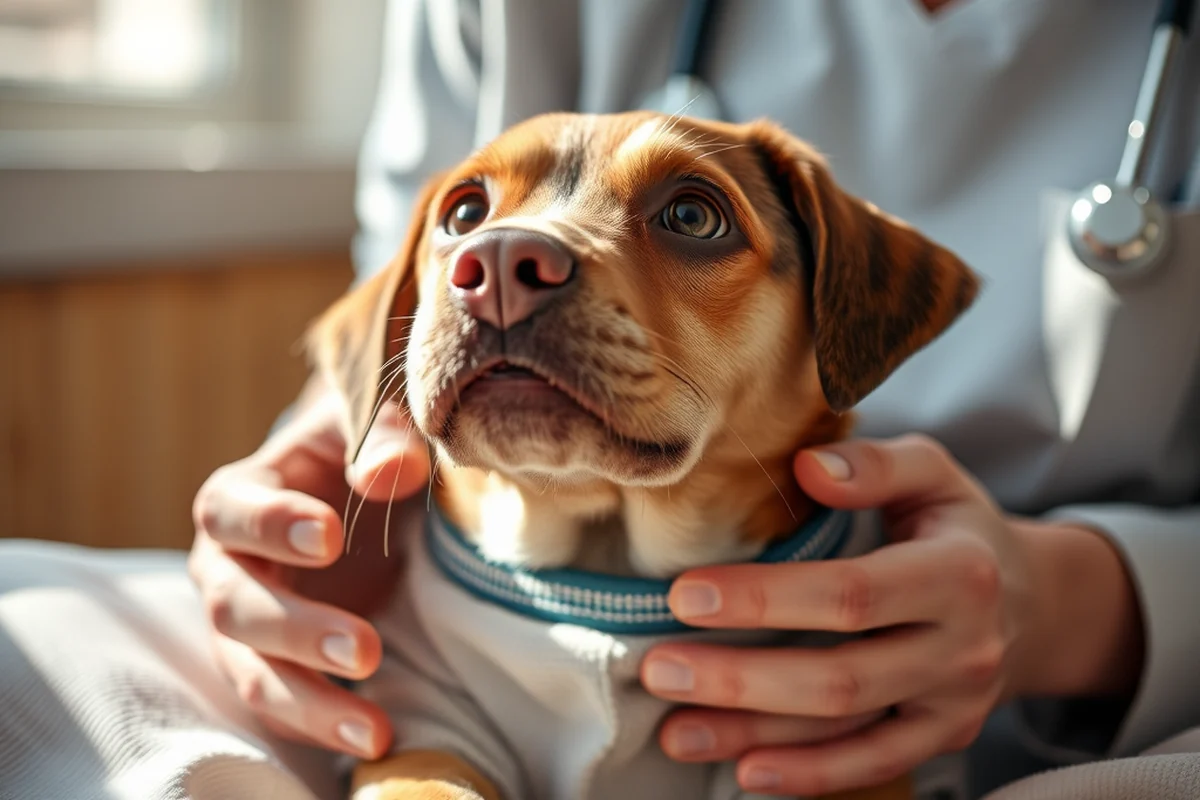
When Max turned 12, his vet recommended a series of tests to check for kidney disease and heart conditions. These tests alone cost $200, but with my 'first health insurance,' the cost was covered. Without it, that would have been a major expense — and I knew I couldn’t afford to wait for the symptoms to get worse.[3]
I’ve spoken with other pet owners who didn’t have coverage and had to make tough decisions about their pets' care. One of them had to choose between surgery for her dog’s arthritic joints and paying for her own rent. That’s the kind of choice no one should have to face.
The hidden costs of senior pet care are real, and 'first health insurance' can help you avoid them. It’s not just about paying for the unexpected — it’s about ensuring that your pet’s health is a priority, no matter what the cost.
Don’t wait for the emergency — plan for the unexpected.
Related: Does nationwide pet insurance cover dental
How to Choose the Right 'First Health Insurance' Plan
When I was selecting a plan for Max, I looked at several factors, including coverage limits, co-pays, and the types of procedures included. I found that some plans cover more than others — one I considered had a $500 annual limit, while another had no cap. That made all the difference for me.
I also considered the vet network. I wanted to make sure that Max’s current vet was covered by the plan. It turned out that my vet was only part of a few plans, so I had to do some research to find one that would work for both of us.
It’s important to read the fine print, too. Some plans exclude pre-existing conditions, while others offer coverage for them. I made sure to choose one that covered Max’s chronic kidney condition, which he had been diagnosed with a few years prior.
Before choosing a plan, compare coverage, co-pays, and limits. I found that the best plans for senior pets often have flexible coverage options that can be tailored to your pet's specific needs.
“I remember the first time I realized my 12-year-old golden retriever, Max, was struggling to chew his kibble.”— Senior Pet Dental Care editors
Related: Senior dog tooth extraction cost
The Impact of 'First Health Insurance' on Senior Pet Longevity

I’ve read that senior pets with access to regular veterinary care tend to live longer, healthier lives. With 'first health insurance,' I was able to ensure that Max received the care he needed, even when it was costly. His lifespan has already exceeded expectations, and I believe that coverage played a big role in that.
One of the most surprising benefits was how it affected his quality of life. Max had a chronic issue with his joints, but with the help of 'first health insurance,' I was able to afford a series of physical therapy sessions and pain management treatments. His mobility improved, and he was able to walk around the house without pain.
The peace of mind that comes with knowing your pet has coverage is invaluable. For me, it meant that I could make decisions based on what was best for Max, not what my budget could handle.
Related: Are tooth extractions covered by pet insurance
The Role of 'First Health Insurance' in Preventive Care
I’ve learned that preventive care can save a lot of money in the long run. Regular checkups, vaccinations, and screenings can catch health issues before they become serious. With 'first health insurance,' I was able to afford these visits regularly, which helped me catch a few issues early on.
One of the most important parts of preventive care for senior pets is dental health. I had no idea that Max was suffering from periodontal disease until the vet found it during a routine checkup. With coverage, I was able to get his teeth cleaned and treated, which prevented further complications.
Preventive care isn’t just about saving money — it’s about saving your pet’s life. I’ve seen too many senior pets suffer from avoidable health issues, and I now believe that 'first health insurance' is one of the best investments a pet owner can make.
Related: Does metlife pet insurance cover dental cleanings
The Importance of Understanding Coverage Limits
One of the biggest mistakes I see pet owners making is not reading the fine print of their plans. Some plans have annual limits, while others have exclusions for certain procedures. I learned the hard way that my plan had a cap on the amount it would cover for dental treatments. Meant I had to pay out of pocket for any services beyond that limit.
It’s also important to know which procedures are covered and which are not. I found that some plans exclude things like alternative therapies or holistic treatments. If you have a pet who benefits from those, you need to be sure your plan covers them.
Understanding your plan can help you avoid unexpected costs and ensure that your pet receives the best possible care. I now make it a point to review my plan annually to make sure it still fits our needs.
Know your plan — it could save you money and your pet’s health.
Related: Does nationwide pet insurance cover tooth extraction
The Emotional Benefits of 'First Health Insurance'
When I had to decide whether to proceed with a costly treatment for Max, the fact that I had 'first health insurance' made all the difference. I didn’t have to make a choice based on cost — I could make the decision based on what was best for Max.
I’ve talked to other pet owners who didn’t have coverage and had to make painful decisions about their pets’ care. Some had to say goodbye to their pets because they couldn’t afford the treatments. That’s a heartbreaking scenario, and one that I hope no one has to face.
For me, the emotional benefit of having 'first health insurance' was immeasurable. It gave me peace of mind and allowed me to focus on what was best for Max, without the added stress of financial uncertainty.
👵🐶 Senior Pet
Tailored for pets over 7 years old, this plan covers chronic conditions, mobility issues, and regular wellness exams.
🐹🐱 Small Breed
Designed for smaller pets, this plan focuses on dental care, weight management, and early detection of common small breed issues.
🐱🐶 Multi-Pet Home
Ideal for households with multiple pets, this plan offers group discounts and combined coverage for each pet’s unique health needs.
💰🐾 Budget
An affordable option for pet owners who still want coverage for basic vet care, including routine checkups and emergency treatment.
✈️🐶 Travel
A plan that covers pets during travel, including emergency care at vet clinics in unfamiliar locations and treatment for travel-related illnesses.
| The mistake | Why it happens | The fix |
|---|---|---|
| Choosing a plan with no coverage for chronic conditions | Senior pets are more likely to suffer from chronic issues, and without coverage, you could end up paying thousands in treatment costs. | Always check the plan's coverage for chronic conditions before signing up, and choose one that includes them. |
| Not reviewing the plan's annual limits and exclusions | Many plans have limits on how much they will cover each year, and some exclude certain procedures. This can lead to unexpected out-of-pocket costs. | Carefully review your plan’s fine print and ensure that the coverage aligns with your pet's needs. |
| Selecting a plan with a vet network that doesn’t include your current vet | If your current vet isn’t in the network, you may have to switch, which can be inconvenient and stressful for both you and your pet. | Before enrolling, verify that your current vet is in the plan’s network, or choose a plan that offers more flexible options. |
| Waiting until a health issue arises before getting coverage | Health insurance is most effective when you have it in place before any issues develop. Waiting can result in higher premiums or even denial of coverage. | Get coverage as soon as possible, even if your pet is healthy now. It can be a lifesaver when unexpected issues arise. |
First Health Insurance
Common Questions
Can 'first health insurance' cover alternative treatments like acupuncture or herbal remedies?
Is 'first health insurance' available for pets under the age of 7?
How long does it take to process a claim with 'first health insurance'?
Can I use 'first health insurance' at any vet clinic?
References
Cite this guide
Senior Pet Dental Care (2026). First Health Insurance. https://caremolar.com/first-health-insurance/
Feel free to cite or share this guide.