
Pet Insurance

📖 Table of Contents
Pet insurance is a critical investment for pet owners, especially those with senior pets who are more prone to health issues. Understanding the nuances of pet insurance can help ensure your aging companion receives the care they need without financial strain.
As pets age, the cost of veterinary care increases, making coverage essential. Pet insurance can help offset expenses related to chronic conditions, surgeries, and routine care, including dental procedures.
This guide provides a comprehensive overview of pet insurance, senior dog care, and the importance of dental hygiene in older pets. It equips you with the knowledge to make informed decisions about your pet’s health and well-being.
Key Takeaways
- Pet insurance is essential for senior pets due to the higher likelihood of health complications.
- Senior dogs require special care, including regular veterinary checkups and tailored nutrition.
- Professional dental cleaning is crucial for senior dogs to prevent oral disease and systemic health issues.
- Coverage for dental procedures like tooth extraction varies by policy, so it's important to review details carefully.
Pet Insurance
As of August 2026, Pet insurance is a financial safety net for pet owners, especially those with senior pets who are more likely to develop chronic health conditions. Policies typically cover a range of services, including diagnostic tests, surgeries, and hospitalization. According to the North American Pet Health Insurance Association, over 2.7 million pets in the U.S. Are insured, with the majority being dogs over the age of 7.[1]
Coverage can vary significantly between providers, with some policies offering comprehensive plans that include dental care, while others have limitations. It's important to compare plans and understand the terms, such as deductibles, reimbursement rates, and annual limits. For example, some policies may cover 80% of the cost for a senior dog's emergency surgery, while others may cap annual benefits at $5,000.[2]
Choosing the right insurance is a strategic decision that requires consideration of your pet's age, health history, and your budget. While premiums for senior pets may be higher, the long-term benefits of having coverage can outweigh the costs, especially with managing expensive conditions like kidney disease or cancer.
In this guide:
In this guide:
In this guide:
In this guide:
In this guide:
In this guide:
In this guide:
In this guide:
In this guide:
In this guide:
In this guide:
In this guide:
Senior Dog
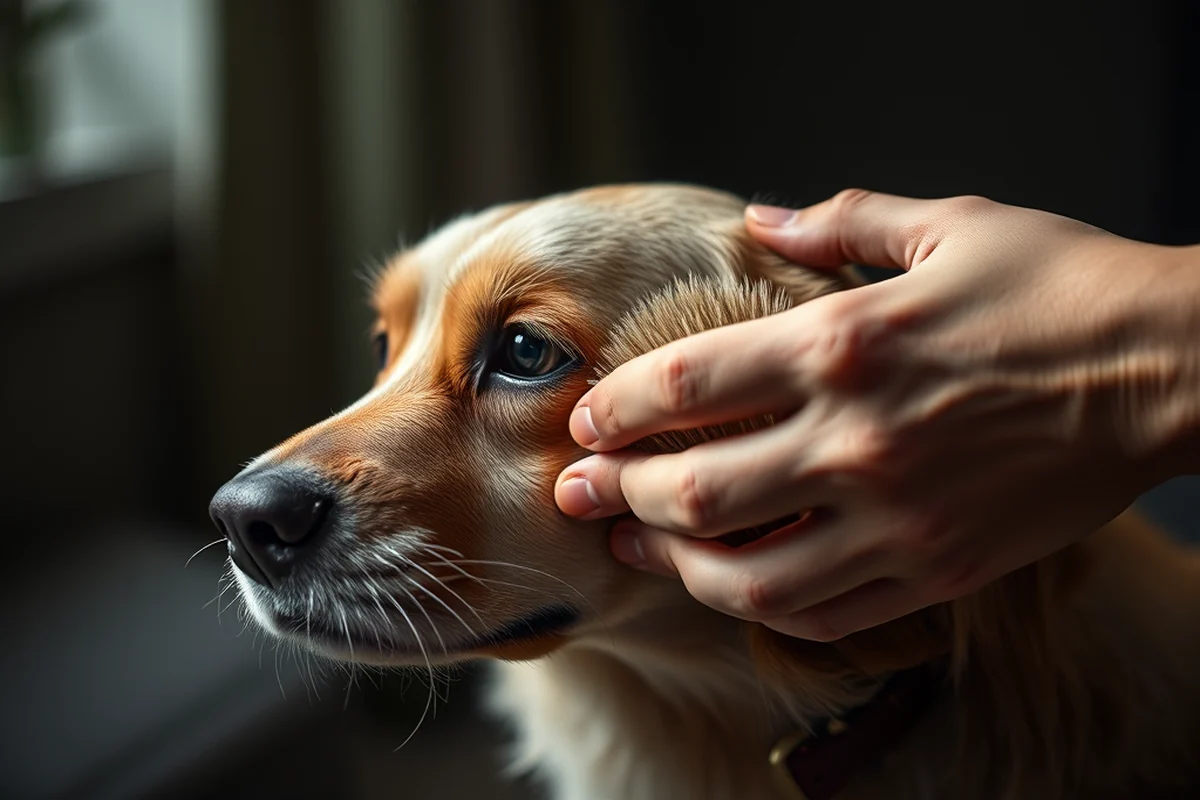
As dogs age, their bodies undergo changes that can affect their mobility, digestion, and immune system. Senior dogs are more susceptible to conditions like arthritis, heart disease, and cognitive decline. Regular veterinary visits—ideally every six months—are essential to monitor these changes and catch issues early.
Tailoring your senior dog's diet and exercise routine is also crucial. Senior dogs may benefit from joint-supporting supplements, low-impact exercise, and a diet that is easier to digest. For example, a dog with arthritis may need a diet high in omega-3 fatty acids to reduce inflammation and support joint health.
In addition to physical health, senior dogs may experience behavioral changes, such as increased anxiety or confusion. These can be managed with patience, environmental enrichment, and, in some cases, veterinary intervention. Providing a safe, comfortable environment for your senior dog is a key part of ensuring their quality of life.
Related: Senior Dog Excessive Panting
Related: How To Clean Senior Dog'S Teeth
Related: Can Old Dogs Get Their Teeth Cleaned
Related: Are Tooth Extractions Covered By Pet Insurance
Related: Does Nationwide Pet Insurance Cover Dental
Related: Is Aaa Auto Insurance
Related: What Health Insurance Is Marketplace
Related: Low Cost Mobile Home Insurance
Related: How Is Nationwide Insurance
Related: The General Insurance
Related: Cheapest Life Insurance For Seniors Over 70
Related: Go Auto Insurance
Related: Health Insurance For Employees Small Business Cost
Related: The Cheap Insurance
Related: What'S The Best Car Insurance
Related: How Is Life Insurance Quotes
Teeth Cleaned
Dental disease is one of the most common health issues in senior dogs, affecting over 70% of pets by the age of three, according to the American Veterinary Dental College. As dogs age, the risk of tooth decay, gum disease, and tooth loss increases, which can lead to pain, infection, and even systemic issues like heart and kidney disease.[3]
Professional dental cleanings performed by a veterinarian involve scaling and polishing the teeth to remove plaque and tartar buildup. This process is typically done under anesthesia to ensure the dog's safety and comfort. For senior dogs, this is especially important because their gums may be more sensitive and prone to bleeding.
In some cases, a senior dog may need a tooth extraction if the damage is too severe. Pet insurance can help cover the cost of such procedures, depending on the policy. Regular dental checkups and at-home care, such as dental chews and water additives, can also help maintain oral health and reduce the need for professional cleanings.
“Pet insurance is a critical investment for pet owners, especially those with senior pets who are more prone to health issues.”— Senior Pet Dental Care editors
Related: Low Cost Health Insurance
Expert Tips and Advanced Techniques

When selecting pet insurance for senior pets, prioritize coverage for chronic conditions, such as arthritis or kidney disease, which are common in older animals. Look for policies that offer wellness riders or preventive care benefits, which can help manage long-term health issues and reduce out-of-pocket expenses.
Consider the waiting periods for pre-existing conditions and ensure the policy allows for flexible coverage adjustments as your pet’s health evolves. It’s also wise to review policy exclusions carefully and consult with a veterinary insurance specialist to tailor the plan to your senior pet’s specific medical history.
Regularly updating your pet’s medical records and communicating with your insurer about any changes in your pet’s health can help avoid claim rejections. Also, enrolling in wellness programs or senior pet discount plans can complement your insurance and provide added value for preventive care.
Tools, Materials and Resources
Use online comparison tools like PetInsurer.com or Policygenius to evaluate different pet insurance plans based on coverage, cost, and customer reviews. These platforms allow you to filter options by age, breed, and specific health needs, making it easier to find the best fit for your senior pet.
Access free guides and webinars from organizations like the American Animal Hospital Association (AAHA) or the Pet Insurance and Claims Association (PIACA) to better understand insurance terminology, claim processes. Best practices for senior pet care. These resources often include checklists for selecting the right plan.
Consult with your veterinarian for personalized recommendations and explore wellness programs offered by pet insurance companies. Many insurers also provide mobile apps that allow you to track your pet’s medical history, manage claims, and receive alerts about policy updates or wellness tips for aging pets.
Troubleshooting and Common Questions
Pet owners often encounter challenges when applying for insurance for senior pets, such as high premiums due to the increased risk of health issues. It's important to compare multiple providers and look for policies that offer flexible coverage options and discounts for senior pets. Some insurers provide wellness plans that can help manage routine care costs.
Claim rejections are another common issue, often due to incomplete documentation or exclusions in the policy. To avoid this, pet owners should keep detailed records of veterinary visits and ensure they understand the terms of their policy before filing a claim. Many insurers offer customer support to help handle the claims process.
Limited coverage for pre-existing conditions is a significant concern for senior pets. While most policies exclude pre-existing conditions, some insurers offer specialized plans for older pets that may include limited coverage for certain chronic illnesses. It's advisable to review policy details carefully and consult with a pet insurance specialist to find the best fit.
Getting Started: Your First Steps
The first step in getting pet insurance is to assess your pet’s health and lifestyle. Senior pets may have different needs compared to younger ones, so it's important to consider coverage for chronic conditions, routine care, and emergency services.
Next, research different insurance providers and compare their coverage, deductibles, reimbursement rates, and customer reviews. Many companies offer online tools to help you compare plans and find the best option for your pet.[4]
Once you’ve selected a plan, complete the application process, which typically involves providing your pet’s medical history and personal information. After approval, you’ll receive your policy details and can start using your coverage for eligible veterinary expenses.
🌱 Beginner
The simplest version — minimal supplies, quick win.
💰 Budget
Same result using what you already have.
⚡ Quick
The 10-minute version for busy days.
✨ Advanced
The upgraded version once the basics stick.
| The mistake | Why it happens | The fix |
|---|---|---|
| Assuming all pet insurance policies are the same. | Pet insurance policies vary widely in terms of coverage, deductibles, and exclusions. Not all policies cover dental procedures or senior pet-specific conditions. | Compare multiple policies and read the fine print to ensure the coverage meets your pet's needs. |
| Neglecting regular dental checkups for senior dogs. | Senior dogs are at higher risk for oral disease, and neglecting dental care can lead to severe health complications and pain. | Schedule regular veterinary visits for dental checkups and professional cleanings as recommended by your vet. |
| Ignoring signs of dental disease in senior dogs. | Dental disease can progress rapidly in older dogs, leading to tooth loss, infection, and systemic health issues if left untreated. | Monitor your senior dog for signs like bad breath, difficulty eating, or swollen gums, and consult a veterinarian promptly if any symptoms are noticed. |
Common Questions
Does nationwide pet insurance cover tooth extraction?
How to clean senior dog's teeth?
Old dog getting teeth cleaned—what should I expect?
What are the risks of not cleaning a senior dog's teeth?
Cite this guide
Senior Pet Dental Care (2026). Pet Insurance. https://caremolar.com/pet-insurance/
Feel free to cite or share this guide.
References
- A Pawsome Guide to Selecting Pet Health Insurance (animalcare.lacounty.gov)
- We love our pets, and our spending proves it : Beyond the Numbers (bls.gov)
- Pet Insurance | Human Resources - Boston University (bu.edu)
- Pet Insurance - Stanford Cardinal at Work (cardinalatwork.stanford.edu)